
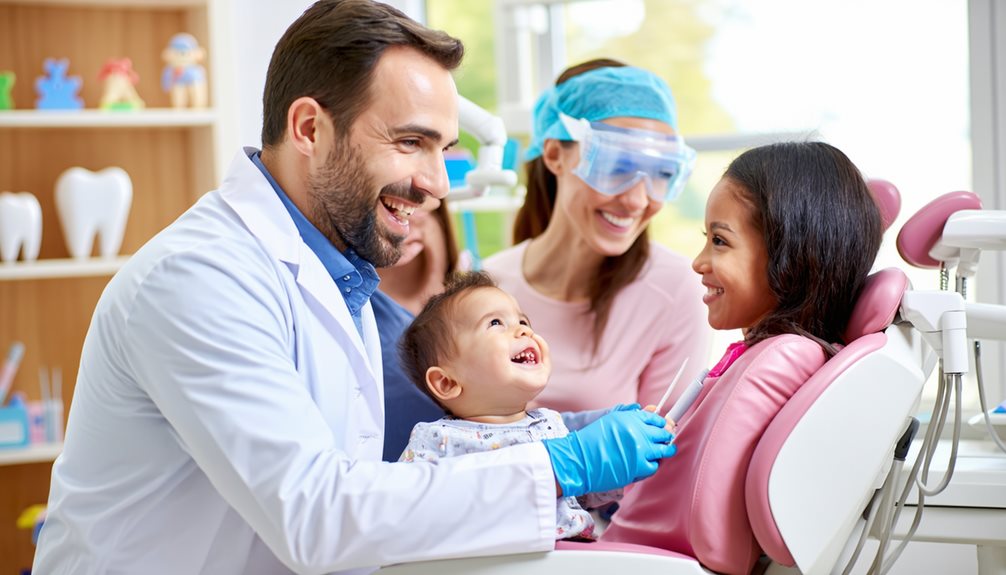
Bilingual family dental care is essential for addressing the needs of diverse communities, ensuring clear communication and fostering a culturally sensitive environment. Patients benefit from reduced anxiety, improved understanding during consultations, and higher satisfaction, leading to better oral health outcomes. Top local bilingual dentists prioritize language accessibility and cultural competency, making them invaluable for inclusive patient care. Techniques like personalized treatment plans and the use of interpreters enhance patient comfort and engagement. Choosing the right dentist involves evaluating communication skills, cultural awareness, and a commitment to diversity. Explore further to discover how these practices empower informed patient decisions.
Importance of Bilingual Dental Care
In today’s multicultural society, the role of bilingual dental care has become increasingly essential. This importance is underscored by the ever-growing diversity of patient populations that dental professionals encounter.
Bilingual dental care goes beyond merely translating words; it embodies cultural sensitivity, which is vital in fostering an environment where patients feel understood and respected. This sensitivity enables dental practitioners to bridge cultural gaps, ensuring that communication is clear and effective.
By prioritizing cultural sensitivity, bilingual dental providers can enhance patient comfort, which is significant for delivering quality dental care. When patients are able to communicate in their preferred language, they are more likely to express concerns, ask questions, and adhere to treatment plans.
This open dialogue not only improves patient outcomes but also builds trust between the patient and provider.
Furthermore, bilingual dental care can play an important role in reducing anxiety associated with dental visits. Patients who feel at ease are more likely to engage in preventative care and maintain regular dental check-ups, ultimately leading to improved oral health.
As society continues to diversify, the ability to offer bilingual dental services will remain a key component in meeting the evolving needs of our communities.
Benefits for Families
Bilingual family dental care offers significant advantages by fostering an enhanced communication experience between dental professionals and patients.
This improved interaction enables the development of personalized treatment plans that cater specifically to each family member’s needs.
In addition, bilingual practices facilitate seamless family appointments, ensuring a more efficient and comforting dental visit for everyone involved.
Enhanced Communication Experience
How does effective communication impact a family’s dental care experience? The answer lies in the ability to foster cultural sensitivity and enhance patient comfort through bilingual dental services. When families encounter professionals who communicate proficiently in their preferred language, it eliminates barriers that can often impede understanding and trust. This is particularly essential in healthcare, where clarity and comprehension are paramount to effective treatment and patient compliance.
Bilingual dentists adeptly navigate the nuances of language and cultural expectations, creating an environment where patients feel respected and understood. This cultural sensitivity contributes considerably to patient comfort, as individuals are more likely to express concerns and preferences freely, knowing they will be accurately addressed.
Such open dialogue is imperative for families, especially when discussing treatment options and preventative care strategies. Moreover, an enhanced communication experience fosters a sense of inclusion and belonging, which is indispensable in a community as diverse as ours.
Families not only receive dental care but also feel valued and integrated into the healthcare process. This innovative approach to communication guarantees that dental visits are not just routine appointments but positive experiences that prioritize the well-being and satisfaction of each family member.
Personalized Treatment Plans
A notable benefit of personalized treatment plans for families lies in their ability to address the unique dental needs and preferences of each family member. By tailoring treatment to individual requirements, dental professionals are able to provide customized care that guarantees ideal results. This approach is particularly beneficial in a family setting, where diverse dental issues often coexist.
For instance, while a teenager might need orthodontic intervention, a parent may require restorative work, and a child might benefit from preventive care. Personalized treatment plans allow for each of these needs to be met efficiently and effectively.
Moreover, treatment accessibility is greatly enhanced through personalized care strategies. Families can gain access to the specific services they require without unnecessary procedures, saving both time and resources. This tailored approach not only fosters trust between dental practitioners and families but also encourages proactive dental health management.
As innovative techniques and technologies continue to evolve, the ability to integrate them into personalized treatment plans further improves the quality of care. Ultimately, personalized treatment plans in bilingual family dental care settings provide a thorough, efficient pathway to maintaining oral health across all family members, guaranteeing that each individual’s dental journey is as unique as they are.
Seamless Family Appointments
Coordinating multiple dental appointments for a family can often be challenging, but seamless family appointments offer a practical solution. By aligning schedules, families can benefit from synchronized visits, reducing stress and time spent at the dental office.
This innovative approach to family scheduling provides numerous advantages for modern families seeking efficient and effective dental care.
Here are some key benefits of seamless family appointments:
-
Time Efficiency: By grouping appointments, families can minimize the number of trips to the dental office, saving valuable time and making it easier to fit dental care into busy schedules.
-
Appointment Flexibility: With flexible scheduling options, families can choose appointment times that work best for everyone, accommodating school, work, and other commitments without compromising oral health.
-
Comprehensive Care: Dentists can assess the oral health of all family members in one visit, fostering a holistic approach to dental care and ensuring that treatments are coordinated across the entire family.
-
Enhanced Communication: Seamless appointments facilitate better communication between the dentist and family, allowing for more personalized advice and effective management of any dental concerns.
Finding Local Bilingual Dentists
When seeking dental care that accommodates multiple languages, finding a local bilingual dentist can greatly enhance communication and comfort during visits. In diverse communities, the presence of bilingual dentists not only breaks language barriers but also fosters an inclusive environment where patients feel understood and respected.
These professionals often engage in community outreach, ensuring their services reach those who might otherwise face challenges in accessing care due to language differences.
This proactive approach not only builds trust but also strengthens the relationship between dental practices and the communities they serve.Cultural sensitivity is another key aspect to take into account when searching for a bilingual dentist. Dentists who are culturally aware can tailor their communication and treatment approaches to align with the cultural nuances of their patients.
This understanding can markedly improve patient satisfaction and treatment outcomes, as it reduces misunderstandings and enhances the overall dental care experience.
Innovative dental practices are increasingly recognizing the importance of integrating bilingual capabilities into their teams, leveraging technology and multilingual staff to meet the diverse needs of their patients.
Language Support Services
Language support services play a significant role in enhancing dental care for multilingual communities, complementing the efforts of bilingual dentists. These services are critical in guaranteeing language accessibility and cultural sensitivity, thereby fostering an inclusive environment for diverse patient populations.
By bridging language gaps, they empower patients to make informed decisions about their oral health. Here are four innovative language support services that can enhance dental care:
-
On-Site Interpreters: Utilizing trained interpreters during consultations guarantees clear communication between patients and dental professionals, facilitating accurate diagnosis and personalized treatment plans.
-
Multilingual Materials: Providing educational materials in various languages helps patients understand complex dental procedures and post-care instructions, promoting adherence and positive health outcomes.
-
Tele-Translation Services: Leveraging technology, tele-translation services offer real-time language support, making dental care more accessible to remote or underserved populations.
-
Cultural Competency Training: Equipping dental staff with cultural sensitivity training enhances their ability to interact respectfully and effectively with patients from diverse backgrounds, creating a welcoming atmosphere.
Incorporating these language support services not only improves patient satisfaction but also fosters trust and loyalty, encouraging regular dental visits and preventive care.
As dental practices continue to innovate, prioritizing language accessibility remains essential for achieving thorough and equitable healthcare.
Case Studies of Successful Practices
Examining case studies of successful bilingual dental practices reveals the importance of effective multilingual communication strategies and patient engagement techniques.
These practices have demonstrated that tailoring communication to meet the linguistic needs of diverse patients not only enhances understanding but also builds trust and loyalty.
Multilingual Communication Strategies
Effective communication is the linchpin of successful dental care in multilingual settings, where both cultural sensitivity and linguistic proficiency are paramount.
Multilingual communication strategies are essential for bridging gaps and guaranteeing thorough patient education, which in turn enhances treatment outcomes. By adopting innovative approaches, dental practices can effectively cater to diverse populations, providing exemplary care.
- Cultural Sensitivity Training: Dental professionals benefit from training that fosters understanding of varied cultural norms and values.
This knowledge is critical to tailoring patient interactions and creating a welcoming atmosphere that respects individual backgrounds.
- Use of Multilingual Materials****: Providing educational materials in multiple languages guarantees that patients fully understand their treatment options and oral health care plans.
This approach not only empowers patients but also enhances adherence to recommended practices.
- Hiring Bilingual Staff****: Employing staff fluent in commonly spoken languages within the community can greatly improve patient confidence and facilitate clearer communication.
This strategy is particularly effective in areas with significant linguistic diversity.
- Technology-Driven Solutions: Implementing translation apps or telehealth services with multilingual support can overcome language barriers swiftly.
These tools guarantee that communication remains seamless, even when in-person language assistance is unavailable.
Patient Engagement Techniques
Building on the foundation of multilingual communication strategies, engaging patients effectively in a dental care setting requires innovative techniques that go beyond language proficiency.
Successful practices have demonstrated that employing creative engagement strategies can greatly enhance patient experience and satisfaction. For instance, one dental clinic implemented a digital feedback system, allowing patients to provide real-time input on services via an app. This not only facilitated immediate patient feedback but also empowered patients to be active participants in their dental health journey.
Another case study highlights a practice that utilized virtual reality (VR) to alleviate patient anxiety and enhance engagement. By offering VR experiences during procedures, the clinic not only improved patient comfort but also encouraged a more interactive and enjoyable visit.
Additionally, the integration of personalized follow-up communications, such as customized post-visit emails or text messages, has proven effective. These communications often include care tips and reminders, ensuring continuous patient engagement and education.
These examples underline the importance of innovative patient engagement strategies in modern dental practices. By leveraging technology and personalized interactions, dental clinics can foster a more responsive and patient-centered environment, ultimately leading to improved health outcomes and patient loyalty.
Tips for Choosing Bilingual Dentists
When searching for a bilingual dentist, it is vital to take into account several key factors to guarantee you receive the best possible care.
First, consider the dentist’s background in bilingual education. A dentist proficient in a second language not only facilitates effective communication but also demonstrates a commitment to serving diverse communities. This commitment is often reflected in their training and continual professional development.
Second, evaluate the dentist’s cultural sensitivity. A practitioner who respects and understands various cultural nuances can create a more comfortable environment for patients. This sensitivity is fundamental for building trust and ensuring that all aspects of care are tailored to your specific needs.
Here are four tips to help you choose the right bilingual dentist:
-
Check Credentials: Verify their education and certifications, focusing on additional training in bilingual education.
-
Assess Communication Skills****: Schedule a consultation to gauge their proficiency in your preferred language and their ability to explain complex dental procedures clearly.
-
Evaluate Cultural Awareness****: Consider their practice’s approach to cultural sensitivity and inclusivity.
-
Seek Recommendations: Ask for referrals from friends or online reviews to learn from others’ experiences.
Frequently Asked Questions
What Additional Services Do Bilingual Dental Practices Offer?
Multilingual dental practices offer additional services such as multilingual education, enabling effective communication with diverse patients. They emphasize cultural sensitivity, fostering a welcoming environment that respects diverse backgrounds and encourages innovative approaches to patient care and comfort.
How Do Bilingual Dentists Handle Dental Emergencies?
Bilingual dentists enhance emergency response through clear patient communication, ensuring that language barriers do not impede timely care. Utilizing innovative techniques, they effectively manage dental emergencies, fostering an environment of understanding and trust between multilingual patients and practitioners.
Are Bilingual Dental Services Covered by Insurance Plans?
Insurance coverage for bilingual dental services varies widely, with some plans offering extensive coverage options while others impose insurance limitations. Patients should consult their insurance provider to understand specific benefits and potential constraints regarding bilingual services.
What Is the Average Cost of Bilingual Dental Care?
Determining the average cost of bilingual dental care involves considering dental pricing variations influenced by location and service complexity. Bridging language barriers may incur additional costs, reflecting the innovative demand for extensive and inclusive patient communication solutions in dentistry.
How Do Bilingual Dental Practices Manage Patient Privacy and Confidentiality?
Bilingual dental practices guarantee patient privacy and confidentiality by implementing robust data protection policies, emphasizing patient consent, and fostering cultural sensitivity. These practices adopt innovative communication strategies to respect diverse linguistic and cultural backgrounds while maintaining confidentiality standards.
Conclusion
The provision of bilingual dental care is vital for enhancing communication and understanding between dental professionals and diverse patient populations. It offers significant benefits for families, including improved healthcare outcomes and increased patient satisfaction. Locating local bilingual dentists and utilizing language support services can facilitate better access to care. Successful practices demonstrate the efficacy of these services. When selecting bilingual dentists, it is important to take into account their language proficiency and cultural competence to guarantee the best possible care.

